Spracovaná maturitná téma: Weather, fauna and flora
Weather
Weather impacts our surroundings and activities we do. On sunny days, the sun's rays create warmth and brightness. Cloudy weather, on the other hand, diffuses the sunlight, creating a more subdued atmosphere. Rainfall can range from light drizzles to heavy downpours, affecting visibility and making surfaces slippery.
Thunderstorms bring lightning and thunder, often accompanied by heavy rain. Hailstorms, with their ice pellets, can cause damage to crops and vehicles. Snowfall transforms landscapes into winter scenes, while sleet combines rain and ice.
Fog reduces visibility and can make travel hazardous. Windy conditions range from gentle breezes to strong gusts, affecting everything from outdoor activities to air travel. Extreme weather events like hurricanes and tornadoes bring destructive winds and heavy rain, posing serious risks to communities.
Temperature fluctuations can lead to heatwaves during which temperatures rise significantly, and cold snaps when they drop drastically. These shifts impact how we dress and our overall comfort. Additionally, humidity levels affect how hot or cold the air feels. High humidity can create a muggy sensation, while low humidity can lead to dry skin and discomfort.
All these weather elements interact in complex ways, shaping our experiences and influencing everything from our clothing choices to travel plans. Monitoring weather forecasts and understanding these diverse conditions helps us adapt and stay safe in a constantly changing environment.
Natural disasters
Natural disasters are powerful and often devastating events that arise from the Earth's natural processes. Earthquakes, for instance, result from the sudden release of energy in the Earth's crust, leading to ground shaking. These tremors can cause buildings to collapse and disrupt communities.
Floods occur when excessive rainfall or melting snow overwhelms rivers and other water bodies, leading to the inundation of areas that are usually dry. Flash floods are particularly dangerous due to their sudden and swift nature.
Hurricanes, also known as typhoons or cyclones, are tropical storms with powerful winds and heavy rain. They form over warm ocean waters and can cause widespread destruction when they make landfall. Tornadoes, on the other hand, are violent windstorms that form from rotating columns of air and can cause severe damage in their narrow paths.
Volcanic eruptions occur when magma from beneath the Earth's surface is expelled, often leading to lava flows, ash clouds, and pyroclastic flows. These events can reshape landscapes and disrupt ecosystems.
Wildfires are uncontrolled fires that spread rapidly through vegetation. They can be triggered by natural factors like lightning or human activities like campfires or discarded cigarettes. Wildfires can destroy vast areas of land, threatening homes and wildlife.
Droughts are prolonged periods of abnormally low rainfall, leading to water shortages and crop failures. These events have far-reaching impacts on agriculture, ecosystems, and water supplies.
Avalanches are fast-moving masses of snow that descend down steep slopes. They can bury communities, disrupt transportation routes, and pose risks to winter sports enthusiasts.
Endangered species of animals
Endangered species of animals are those at risk of extinction due to various factors, such as habitat loss, pollution, and illegal hunting. When a species is classified as endangered, it means their population has declined significantly, and they are facing a high risk of disappearing forever. For instance, the Amur Leopard, with only about 60 individuals left in the wild, is critically endangered due to habitat destruction and poaching.
The Sumatran Orangutan is another example, with approximately 14,000 individuals remaining. Their habitats are being cleared for palm oil plantations, putting them at risk. The Vaquita, a small porpoise, is on the brink of extinction, with less than 10 individuals estimated to exist due to bycatch in illegal fishing nets.
These examples highlight the urgent need for conservation efforts to protect and preserve these species, as their loss would disrupt ecosystems and impact the balance of our natural world.
Spring
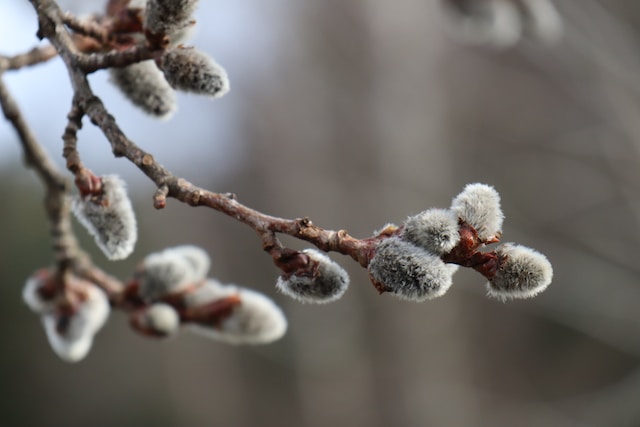
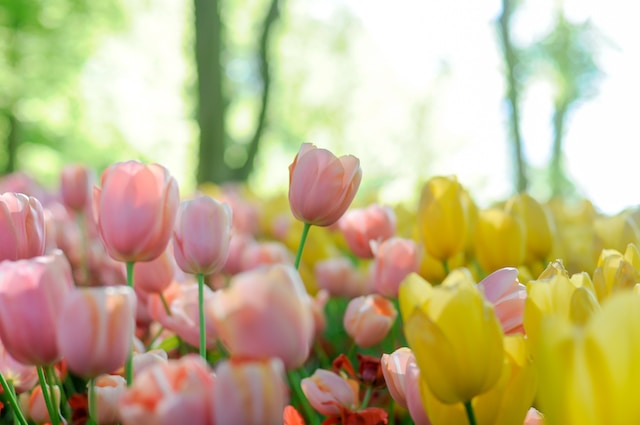
Spring, typically beginning on March 20th or 21st during the Spring Equinox, means warmer weather and extended daylight. It's a season marked by blooming flowers and budding trees, infusing the surroundings with vibrant colors. Farmers embrace it as a crucial growing period, sowing seeds and tending to crops. The religious holiday of Easter also finds its place in spring, representing new life. In Slovakia, boys and men go from home to home to whip girls and women with whip made from pussy willow and pour water on them so they stay healthy all year long. In essence, spring signifies rejuvenation and growth, bringing forth a lively ambiance and a sense of renewal after the winter months.
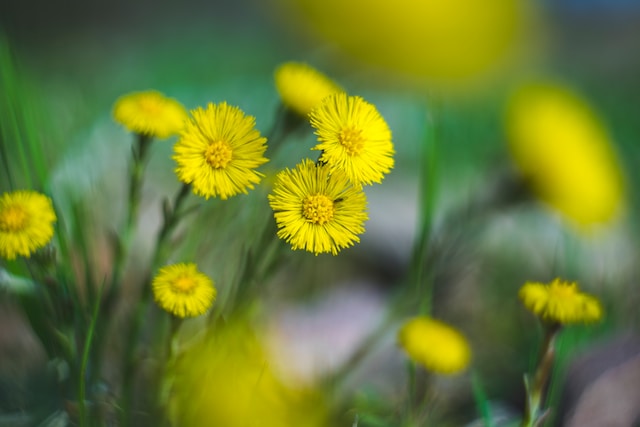
Coltsfoot
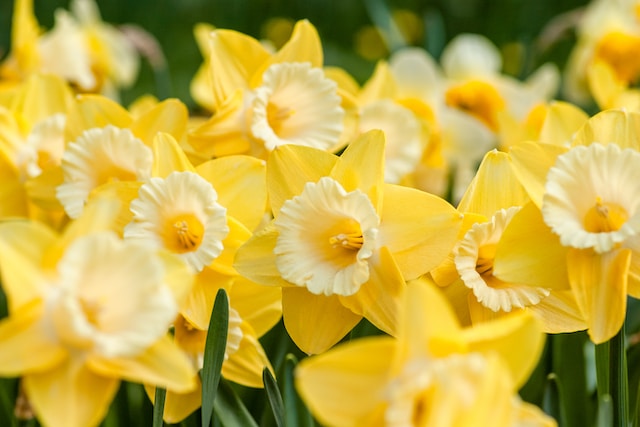
Daffodil
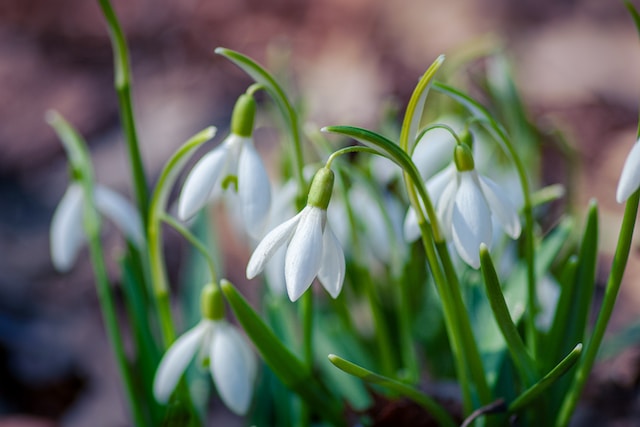
Snowdrop
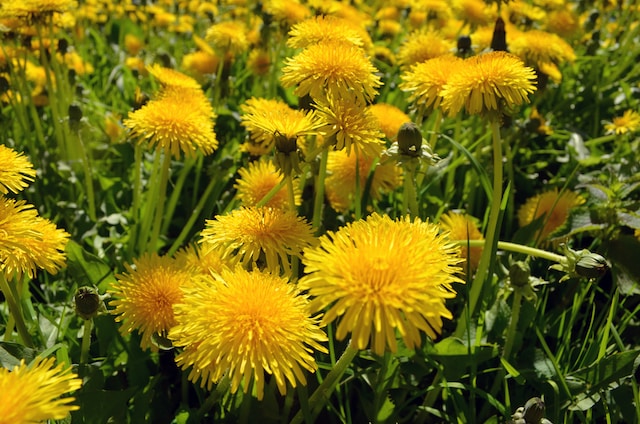
Dandelion
Pussy willow
Tulip
Summer
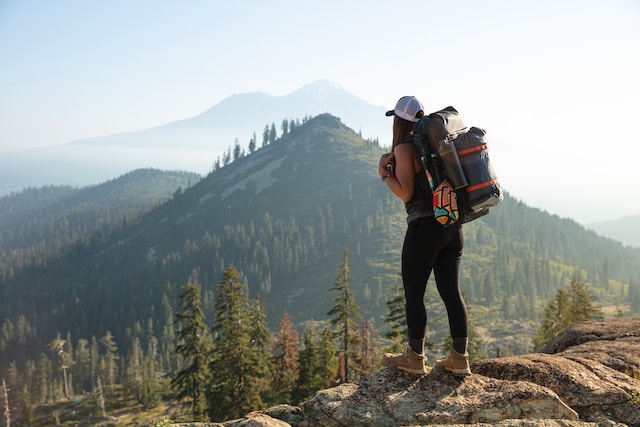
The summer season starts off approximately on June 20th or 21st with the Summer Solstice. It brings forth a warm and sunny period, occasionally interrupted by storms. This time of year encourages various outdoor activities and events, and it's when many people take their vacations. Additionally, it's a season when a variety of fruits are in their prime. Longer daylight hours provide ample time for extended outdoor pursuits such as picnics and trips to the beach. Despite the occasional storms, summer is cherished for its vibrant ambiance, offering plenty of opportunities to unwind and relish the delightful taste of fresh, seasonal fruits.
Travelling

Hiking
Festival

Sunbathing

Autumn
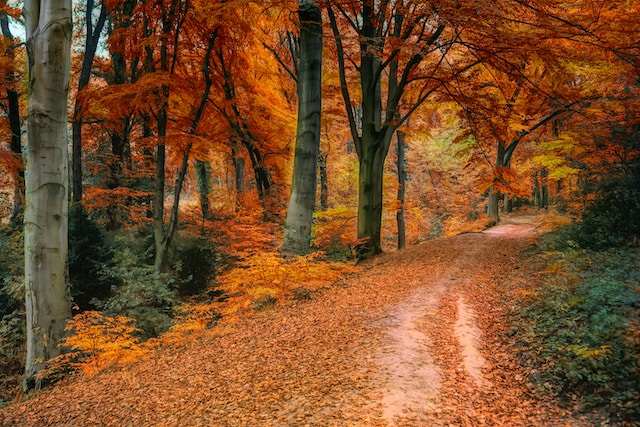
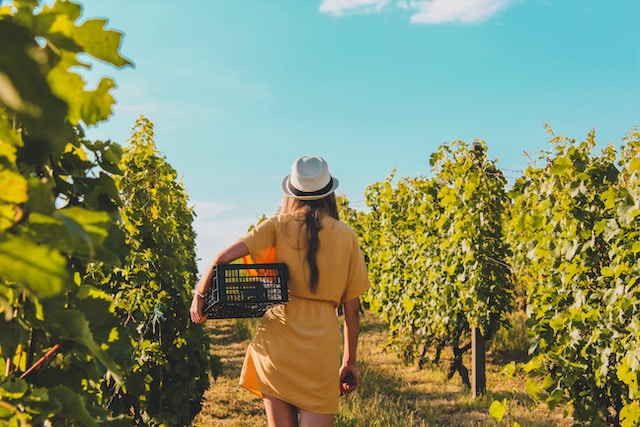
Autumn, starting around September 22nd or 23rd, arrives with cooler temperatures and shorter daylight hours. The leaves on trees change to a range of vibrant colors, creating nice sceneries. This season marks the time for harvest, as farmers gather their crops, and animals prepare for winter. All Saints' Day is also observed during this period, providing a time for remembrance. Rainy days become more frequent, adding to the cozy atmosphere. In summary, autumn presents a mix of natural beauty, agricultural importance, and reflective moments as nature and communities adjust to the upcoming colder season.
Walks
All Saint's day

Pumpkin carving

Harvesting
Winter
Winter, starting roughly around December 20th or 21st, arrives with cold temperatures and shorter days. It's a time when winter sports take center stage, with people engaging in activities like skiing and ice skating. Snowstorms can lead to snow-covered landscapes, offering a serene ambiance. The festive period of Christmas and New Year's Eve brings warmth to the season, as families and friends gather to celebrate. With outdoor options reduced, cozy indoor activities such as reading by the fire or enjoying hot drinks gain popularity. Winter presents a mix of exhilarating outdoor experiences, joyful festivities, and snug indoor relaxation, providing a diverse range of ways to appreciate the season.
Skiing

Christmas time

Watching fairy tales

Ice skating

Every season carries a mix of advantages and drawbacks. Spring, while bringing allergies, also boosts energy levels and lifts spirits as nature blooms. Summer's sunny days positively impact our mood and provide more chances for physical activities, but the risk of dehydration and sunburn exists. As autumn's temperatures drop, the likelihood of catching colds increases, and rainy days can sometimes lead to a feeling of drowsiness. Winter's reduced daylight can lead to sadness, yet it's also a time for cozy indoor pursuits. However, the season presents the challenge of dry skin due to the colder and drier air. Despite their downsides, each season presents its own unique pleasures and challenges, contributing to a diverse tapestry of experiences throughout the year.