Spracovaná maturitná téma: Multiculturalism and Globalisation
Text s ktorým začať
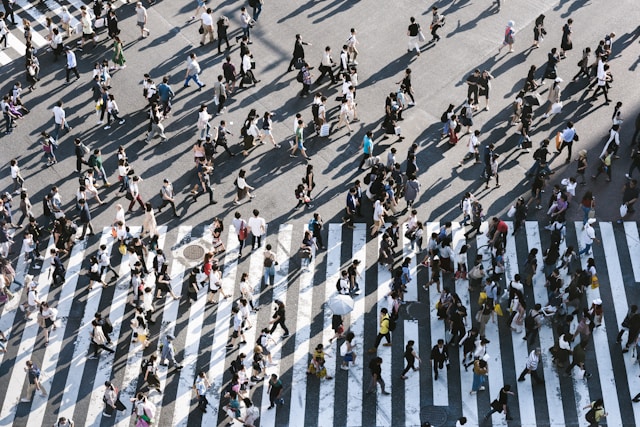
Today I would like to talk about a topic that affects all of us: globalization and multiculturalism. As we all know, the world is becoming more and more connected through advances in technology, transportation, and communication. And with this increased connection comes greater diversity in the people and cultures we interact with on a daily basis.
1. Globalization and multiculturalism - melting pot, assimilation
Globalization and multiculturalism are closely related concepts. Globalization has led to increased interaction and exchange of ideas and cultures between countries, resulting in the emergence of multicultural societies.
One concept associated with multiculturalism is the melting pot, where people from different cultures blend together to form a new culture. This concept originated in the United States, which has been a melting pot of cultures from different parts of the world. The idea of the melting pot suggests that people from different cultures can coexist harmoniously. American city New York is the best example of a melting pot.
However, the idea of assimilation, where people are expected to conform to the dominant culture, has also been a part of multiculturalism. Assimilation has been used to promote national unity and social cohesion, but it can also lead to the loss of cultural diversity and the suppression of minority cultures.
The best approach is to find a balance between cultural integration and cultural preservation, where people are encouraged to learn from each other and appreciate their differences.

2. Migration
Migration is the movement of people from one place to another, whether within a country or across national borders. People migrate for various reasons, including seeking better economic opportunities, fleeing conflict or persecution, and reuniting with family members.
The process of migration can have both positive and negative effects on both the migrants and the host communities. On the positive side, migration can bring in new skills, knowledge, and diversity, and contribute to the development of the host community. Migrants can also send remittances back to their home countries, which can provide economic benefits to their families and communities.
However, migration can also have negative consequences, such as social tensions, discrimination, and exploitation of migrants. Migrants may face difficulties in integrating into the host community, including language barriers and cultural differences. There is also a risk of exploitation by employers who may offer low wages and poor working conditions to vulnerable migrants.
It is important for countries to have policies and programs in place to manage migration and ensure that migrants are treated fairly and their rights are protected. This includes providing access to education, healthcare, and social services, as well as combating discrimination and exploitation.
In conclusion, migration is a complex issue with both positive and negative impacts.
3. Negative phenomena - discrimination, racism
Discrimination refers to the unequal treatment of individuals or groups based on characteristics such as race, ethnicity, religion, or gender. Racism is a form of discrimination that is based on the belief that one race is superior to others.
Discrimination and racism can take many forms, such as exclusion from educational or employment opportunities, unequal access to healthcare, and hate crimes. These negative phenomena can have significant psychological and social impacts on individuals and communities, including lower self-esteem, social exclusion, and decreased trust in institutions.
It is important to acknowledge and address discrimination and racism in order to create a more equitable and inclusive society. This can be done through various means, such as anti-discrimination laws, affirmative action policies, and educational programs that promote cultural understanding and respect for diversity.
4. Language diversity - positives, negatives
Language diversity refers to the existence of multiple languages within a given community or society. It can have both positive and negative impacts on individuals and communities.
On the positive side, language diversity can promote cultural identity and pride, and facilitate communication and understanding among people of different cultures. It can also provide economic benefits by increasing opportunities for trade and tourism, and by enabling individuals to work in multilingual environments. Additionally, language diversity can provide opportunities for language learning and cross-cultural exchange, such as through language exchange programs. For instance, having native speakers of different languages as teachers can enrich the learning experience for students and provide valuable perspectives on language and culture.
However, language diversity can also pose challenges, particularly for individuals who do not speak the dominant language of a given society. This can lead to exclusion from educational and employment opportunities, social isolation, and discrimination.
It is important to promote language diversity while also addressing its challenges. This can be done through various means, such as promoting bilingual education, providing language support for individuals who do not speak the dominant language, and promoting multilingualism in the workplace and in public spaces. It is also important to combat discrimination and promote cultural understanding and respect for diversity.
5. The importance of tolerance in the global world
Tolerance is a crucial aspect of living in a global world, where people of diverse cultures and backgrounds interact with each other on a daily basis. It means respecting and accepting differences, and treating others with empathy and understanding. Tolerance allows for peaceful coexistence and fosters cooperation and mutual benefit, while intolerance can lead to conflict, discrimination, and even violence.
Tolerance is essential for building a harmonious and inclusive society that values diversity and promotes social justice. It is also important for promoting intercultural dialogue and understanding, which can lead to new ideas, innovations, and social and economic benefits. To promote tolerance, individuals and institutions can engage in education, dialogue, and community building efforts that promote mutual respect and understanding among different cultures and groups.
6. Slovakia and its position in the world
Slovakia is a small, landlocked country located in Central Europe, with a population of approximately 5.5 million people. Since gaining independence from Czechoslovakia in 1993, Slovakia has undergone significant political and economic transformations, and has become an active member of the European Union, NATO, and other international organizations.
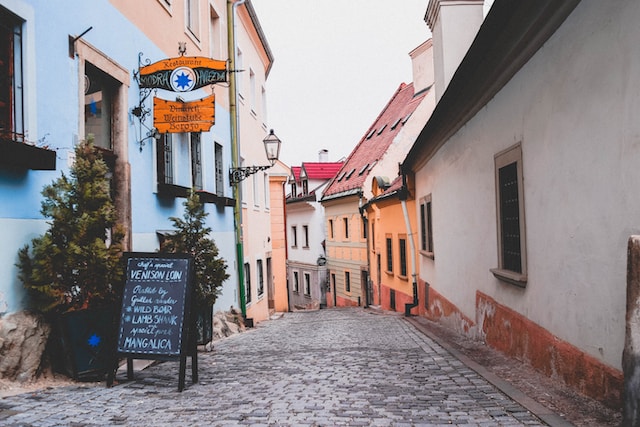
Despite its small size, Slovakia has a rich cultural heritage and a diverse landscape that includes mountains, forests, and rivers. It is also home to numerous historical and cultural sites, such as castles, museums, and galleries.
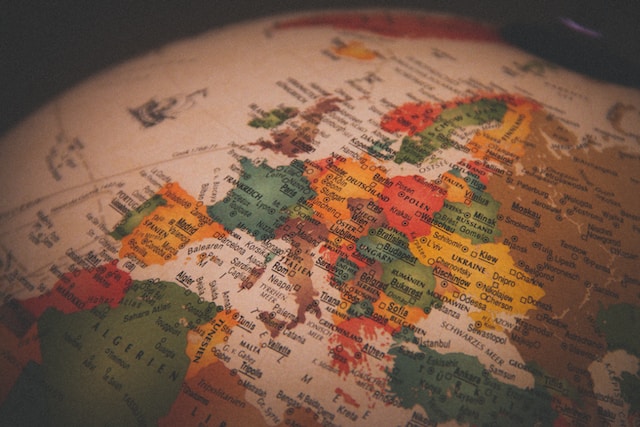
As a member of the global community, Slovakia plays an important role in promoting international cooperation and dialogue, and in addressing global challenges such as climate change, migration, and economic inequality. It also benefits from its membership in international organizations, which provide opportunities for economic growth, trade, and cultural exchange.
7. Minitories in Slovakia (Roma people, Hungarians, Ukrainians)
Slovakia is home to several minority groups, including Roma people, Hungarians, and Ukrainians. These groups have their own distinct cultures, languages, and traditions, and contribute to the rich diversity of Slovak society.
However, minority groups in Slovakia also face a number of challenges, including discrimination, marginalization, and lack of access to education and employment opportunities. Roma people, in particular, are among the most marginalized and disadvantaged groups in Slovakia, with high levels of poverty, unemployment, and social exclusion.
The Slovak government has taken steps to address these issues, including the adoption of anti-discrimination laws and policies, and the implementation of programs to promote social inclusion and access to education and employment. However, more needs to be done to fully integrate minority groups into Slovak society and ensure that their rights are protected and respected.
It is also important for members of the majority population to promote tolerance and understanding towards minority groups, and to recognize the value and importance of diversity in Slovak society. This includes efforts to combat stereotypes and prejudices, and to foster intercultural dialogue and cooperation.