Spracovaná maturitná téma: The Economy
Text s ktorým začať
The economy refers to the activities and systems that facilitate the production, distribution, and exchange of goods and services in a society. The overall health of an economy is often measured by its Gross Domestic Product (GDP), which is the total value of all goods and services produced within a given period of time. There are several different types of economies, including capitalist, socialist, and mixed economies, each of which has its own strengths and weaknesses.
In a capitalist economy, the market drives economic growth and decisions are made by individuals and private businesses rather than the government. This often leads to higher levels of innovation and efficiency, but can also result in income inequality. In a socialist economy, the government plays a larger role in the economy and decisions are made collectively in the interest of the entire population. This can lead to more equal distribution of wealth, but can also lead to a lack of motivation and lower levels of innovation.

A mixed economy combines elements of both capitalism and socialism. This type of economy allows for a balance between individual freedom and government intervention. The goal of a mixed economy is to provide the benefits of both systems, such as increased innovation and efficiency, while also reducing the drawbacks, such as income inequality.
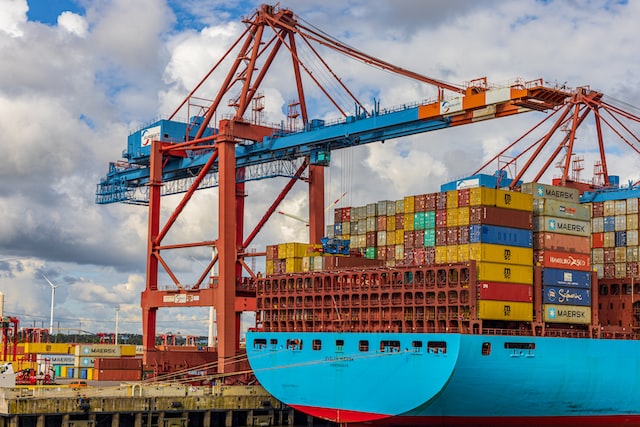
Regardless of the type of economy, economic growth and stability are key factors in ensuring a high standard of living for a population. This can be achieved through policies that encourage investment, increase productivity, and promote trade. The global economy is also interdependent, and events in one part of the world can have far-reaching effects on other countries and economies. In light of this, international cooperation is necessary to maintain economic stability and promote growth on a global scale.
1. Market economy - ads, customer, positives, negatives, state
Market economy is an economic system in which the market, rather than the state, determines prices, products, and services. In a market economy, businesses and individuals are free to exchange goods and services with each other based on supply and demand. This means that customers have the power to choose what they buy, while businesses have the freedom to produce and sell what they want.
One of the key features of a market economy is the use of advertising. Companies use ads to inform customers about their products and services, and to persuade them to buy. Ads can take many forms, such as billboards, commercials, and social media posts. They can be effective in reaching a large audience, but they can also be misleading or manipulative.
Market economies have many positives. They encourage innovation and efficiency, as businesses are driven to create new and better products to meet customer demand. They also offer consumers a wide range of choices at competitive prices. Moreover, market economies can create wealth and prosperity for a society as a whole.
However, market economies also have negatives. They can lead to income inequality, as some people and businesses may become very wealthy while others struggle to make ends meet. Market economies can also lead to externalities, such as pollution and resource depletion, if businesses are not regulated properly. Furthermore, market economies may not provide certain essential services, such as healthcare and education, to everyone in society.
The role of the state in a market economy is to provide a legal and regulatory framework that ensures fair competition, protects consumers, and promotes public goods. The state can also provide certain essential services, such as infrastructure and public education, that are necessary for a market economy to function effectively.
In conclusion, market economy is a powerful economic system that relies on the free exchange of goods and services between businesses and individuals. While it has many positives, such as encouraging innovation and creating wealth, it also has negatives, such as income inequality and externalities. The state plays an important role in regulating and supporting the market economy to ensure that it serves the common good.
2. Banking and financial institutions
Financial institutions are entities that provide a wide range of financial services to individuals, businesses, and governments. These services include lending, investment, savings, insurance, and more.
First and foremost, banks and financial institutions play a critical role in the economy by facilitating the flow of money. They are the backbone of any modern economy, providing the necessary infrastructure for businesses and individuals to access capital and manage their finances. Banks and financial institutions act as intermediaries between those who have money and those who need money, allowing funds to move from savers to borrowers.
In addition, banks and financial institutions also provide a wide range of financial products and services to consumers. This includes personal loans, mortgages, savings accounts, and investment products. By offering these products, banks and financial institutions help people manage their finances, achieve their financial goals, and plan for the future.
Finally, banks and financial institutions are also at the forefront of innovation in the financial industry. They are investing in new technologies, such as blockchain and artificial intelligence, to improve their services and streamline their operations. This is creating new opportunities for consumers and businesses, such as faster and cheaper payments, and more personalised financial advice.
In conclusion, banks and financial institutions are essential for the functioning of our economy and the financial well-being of individuals and businesses. They provide a wide range of services, promote financial stability, and facilitate international trade and commerce. As we continue to navigate the challenges and opportunities of the 21st century, banks and financial institutions will continue to play a vital role in shaping the future of finance.
3. Tourism - the impact on the economy, Slovakia as a tourist destination
Tourism can have a significant impact on the economy of a country. It creates jobs and generates revenue for businesses, governments, and local communities. Tourists spend money on transportation, accommodations, food, and activities, which creates a ripple effect throughout the economy. This spending leads to job creation in the hospitality industry and related sectors, such as transportation, retail, and entertainment. Additionally, governments can collect taxes on tourism-related activities, which can be used to fund public services and infrastructure.
In some countries, tourism is the primary source of income for local communities, particularly in areas that rely heavily on natural resources or cultural heritage. However, tourism can also have negative impacts, such as overcrowding, environmental degradation, and cultural commodification. Therefore, it is important to develop sustainable tourism practices that balance economic growth with environmental and social responsibility.
Slovakia is a beautiful country located in the heart of Europe that offers a diverse range of natural and cultural attractions for tourists to explore. From the majestic Tatra Mountains and stunning national parks to charming historic towns and vibrant cities, Slovakia has something to offer for every type of traveler.
One of the most popular tourist destinations in Slovakia is the High Tatras, a mountain range that offers spectacular hiking and skiing opportunities. Visitors can explore the area's picturesque lakes, waterfalls, and alpine meadows, or take a cable car up to the highest peak, Lomnicky stit, for stunning panoramic views.
Another must-see destination is the historic town of Banska Stiavnica, a UNESCO World Heritage Site known for its well-preserved medieval architecture, mining heritage, and cultural festivals. The capital city of Bratislava is also a popular destination, with its charming old town, impressive castle, and lively café culture.
Slovakia is also home to several thermal spas and wellness resorts, making it a popular destination for relaxation and rejuvenation. And for those interested in culture and history, there are numerous museums, galleries, and cultural events throughout the country that showcase Slovakia's rich heritage.
However, despite its many attractions, Slovakia is often overlooked as a tourist destination due to a lack of marketing and promotion. Compared to neighboring countries like Austria and the Czech Republic, Slovakia's tourism industry is relatively small and underdeveloped. Many potential tourists are simply unaware of the country's beauty and cultural richness.