Spracovaná maturitná téma: Fashion
1. Does fashion reflect people's personality?
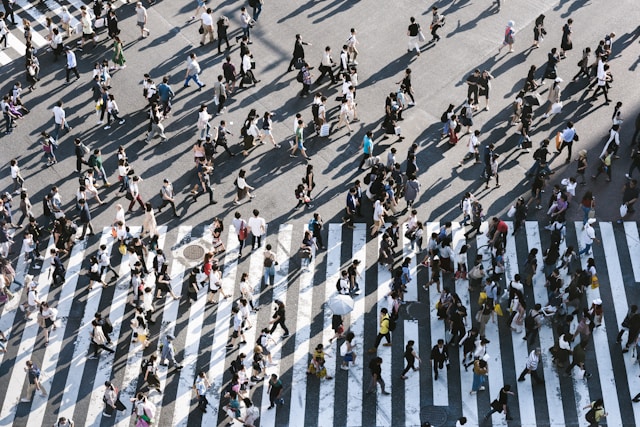
In my opinion, fashion can be a strong way to show someone's personality, though not always fully or accurately. Clothing and style choices often reflect parts of who we are, showing some of our character and preferences. For example, someone who likes bright colors and bold patterns might seem outgoing and adventurous. However, it’s important to remember that fashion is only one part of who we are. People are complex, and their personalities have many sides that might not always be shown by their clothes.
Fashion can let us show certain parts of our identity, helping us present an image we want others to see. For instance, wearing classic and well-fitted outfits might show professionalism and care for details, even if that’s not the whole personality. On the other hand, people who choose a casual and comfortable style might value relaxation and practicality. While fashion can give hints about a person, it’s important to remember that appearances can be misleading. What we wear on a particular day might not show all of our thoughts, feelings, and values.
In the end, fashion can give glimpses of our personalities, letting us share parts of ourselves with others. It’s a creative way to shape our image and show our individuality. But it’s important not to judge people only by what they wear. Just like a book’s cover doesn’t tell the whole story, our clothing choices might not show the full depth of who we are. Understanding this helps us have a more open-minded view of how fashion relates to personality.
2. Which piece of clothing you like to wear and why?
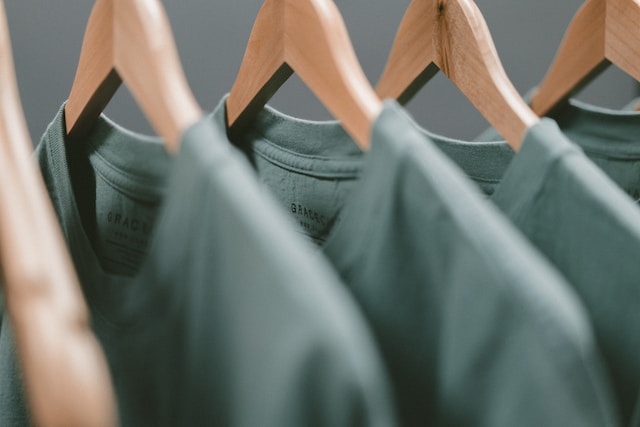
One piece of clothing that I really love to wear is my well-worn denim jacket. There is something very comforting and flexible about it that I connect with. The jacket has become like a companion for different occasions, fitting easily into many settings. It’s not just about the material or style; it’s the memories and experiences tied to it that make it special. Whether I’m going out for a casual meet-up with friends or taking a walk in the park, the denim jacket adds a feeling of familiarity and comfort to my outfit.
What I especially like about this jacket is how it gives a sense of timelessness. The slightly faded color and worn edges tell the story of the adventures it has shared with me. Its rugged but classic look goes well with many outfits, showing my taste for a mix of modern and vintage styles. Beyond how it looks, my denim jacket represents my individuality - a piece of clothing that isn’t limited by trends but reflects my personal style and experiences. It is a symbol of comfort, memories, and self-expression, which makes it my favorite piece of clothing.
3. Do you see yourself liking latest fashion trends?
From my point of view, I am fairly selective when it comes to following the latest fashion trends. While I appreciate the creativity and new ideas that designers bring, I am also aware that many trends are short-lived. Instead of following every new fad, I prefer to take a more careful approach. I think about whether a trend fits my personal style and whether it is comfortable and practical for me. This helps me balance staying up-to-date with staying true to my own preferences. In the end, while I do notice the latest fashion trends, my choices are guided by what feels real and authentic to me, rather than just following what is popular at the moment.
4. How does fashion industry negatively affect environment?
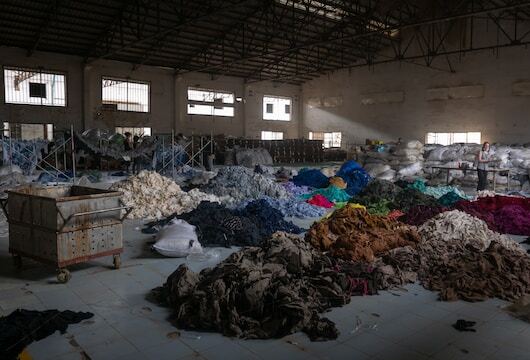
From my point of view, the fashion industry has a concerning impact on the environment. On one hand, fashion is a form of creative expression that lets people show their personalities and cultures. It is a lively industry that supports economic growth and provides many jobs. However, the fast pace of fashion trends and the pressure to constantly update wardrobes have caused environmental damage. The fast-fashion model encourages frequent buying of cheap clothes that are often thrown away after a few uses. This cycle puts heavy strain on natural resources, from producing raw materials to energy-intensive manufacturing. Additionally, the widespread use of synthetic fibers and chemicals, along with poor waste management, leads to pollution of water and soil.
Moreover, the fashion industry’s reliance on exploitative labor in some areas adds to its negative effects. The drive for lower production costs often results in poor working conditions and low wages for garment workers. This raises ethical concerns and worsens environmental harm, as the focus on cheap production often ignores sustainable practices. In my view, the fashion industry can use its influence for positive change. By adopting sustainable and ethical methods, promoting durable and timeless designs, and encouraging conscious consumer choices, the industry can greatly reduce its environmental footprint. As consumers, we also have a responsibility to make informed choices, supporting brands that focus on sustainability and lasting quality rather than fast trends. Together, these efforts can help the fashion industry build a more balanced relationship with the environment while continuing to celebrate creativity and self-expression.