Spracovaná maturitná téma: Man and Society
Text s ktorým začať
People are social beings and cannot live completely alone. From the moment we are born, we are part of a society: first our family, then school, and later the world of work. To live together peacefully, every society needs certain rules of behaviour: some of them are written down as laws, others are unwritten social norms.
Our everyday behaviour is guided by morality, our inner sense of what is right and wrong, and by etiquette, the rules of polite behaviour. Saying hello, giving up a seat to an elderly person or arriving on time may seem like small things, but they show respect for other people.
A healthy society also cares about its weakest members. That is why people organise charities, collections and volunteer work to help those in need. In this way, everyone can make society a little bit better.


1. What is morality and why is it important for society?
Morality is a system of values that tells us what is right and wrong. It is like an inner compass that guides our decisions even when nobody is watching. Moral values include honesty, fairness, respect and responsibility. We learn them mainly from our parents, but also at school, from friends and from religion or culture. Morality is important because laws cannot cover every situation in life. For example, no law orders us to help a classmate who is sad, or to tell the truth to a friend, but our conscience tells us to do it. Without basic moral values, people would not trust each other and society could not work properly.
2. What are the basic rules of social etiquette?
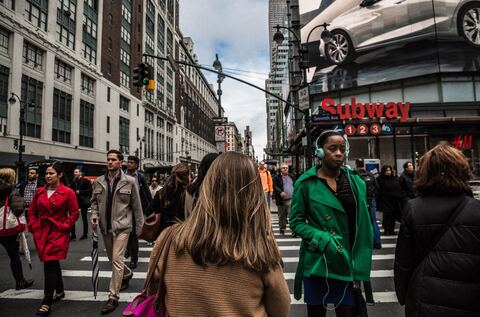
Etiquette is a set of rules of polite behaviour in everyday situations. The basic rules are simple: we greet people when we meet them, we say please and thank you, and we apologise when we make a mistake. A younger person greets an older person first, and a man is usually introduced to a woman. It is polite to hold the door for the person behind you, to give up your seat on a bus to elderly people, and not to interrupt others when they speak. At the table, we should not start eating before everyone is served, and we should never speak with a full mouth. Today, etiquette also includes netiquette, polite behaviour on the internet, for example not writing in capital letters and thinking before we post a comment.
3. What is the difference between social norms and laws?
Social norms are unwritten rules that society expects us to follow, for example dressing properly for a funeral, queueing in a shop or keeping quiet in a cinema. If we break them, people may look at us angrily or criticise us, but we are not officially punished. Laws, on the other hand, are written rules created by the state. Everyone must follow them, and if we break them, we face official punishment, such as a fine or even prison. For example, being rude to a neighbour breaks a social norm, but stealing his car breaks the law. Both types of rules are important, because together they make life in society safe and predictable.
4. What happens when people break the rules of society?


The consequences depend on which rules are broken. When someone breaks a social norm, the punishment is informal: other people may criticise them, laugh at them or avoid them. For example, if a person pushes into a queue, others will protest. When someone breaks a law, the state reacts with an official sanction: a fine, community work or a prison sentence. There is also a third level, our conscience. Even if nobody finds out, a person who has done something wrong often feels guilt and shame. In my opinion, prevention is better than punishment. If children learn respect and responsibility at home and at school, they are much less likely to break the rules later in life.
5. How can we help people in need?
There are many ways to help. The fastest one is a financial donation to a charity organisation, for example during public collections or by sending a donation by text message. People who do not have money can donate clothes, food, books or toys, or give blood, which costs nothing but saves lives. Another possibility is volunteering: spending time with old or ill people, helping in an animal shelter, or organising activities for children. Companies often support good causes through sponsorship, when they pay for a project and get advertising in return. I believe that even small acts of kindness matter. When everyone gives a little, the result can be huge.
6. Do you have any experience with charity or volunteering?
Yes, I have some experience. Every year, our school takes part in a charity collection for children in developing countries, and I usually help to sell small gifts in the school corridor. Last Christmas, my classmates and I also collected food and hygiene products for a local shelter for homeless people. It was a great feeling to hand over so many full boxes. In summer, I sometimes help at a dog shelter near our town. We walk the dogs and clean the kennels. This volunteer work taught me that helping others is not only useful, it also makes the helper happy. I would like to continue with it in the future.
7. How does society influence the family?
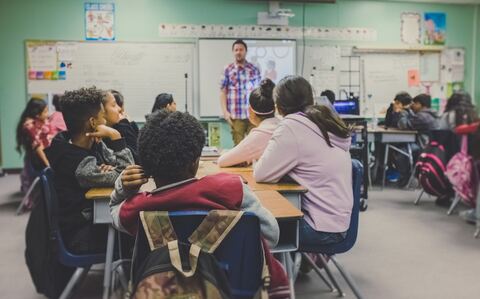
The family does not live in a vacuum. It is influenced by the society around it. In the past, families were large and several generations lived together. Today, because of modern lifestyle and work, families are smaller and people often move far away from their relatives. Many parents work long hours, so children spend more time at school, in clubs or online.
Society also shapes our ideas about family life. The media and social networks show us models of how a "perfect" family should look, which can put families under pressure. Economic conditions play a big role too: when housing is expensive, young people start their own families later. On the other hand, society supports families through maternity leave, child benefits and schools. A strong society needs strong families, and vice versa.
8. Are good manners disappearing among young people?
Older generations often complain that young people today have no manners: they do not greet neighbours, they stare at their phones during conversations and they use rude words in public. It is true that modern communication is faster and less formal, and some traditional rules seem old-fashioned to teenagers.
However, I do not think that manners are disappearing. They are simply changing. Young people care about new forms of politeness: they respect other people's privacy and personalities, and they are often very active in helping others, for example in online collections for sick children. In my opinion, the core of good manners, which is respect for other people, stays the same in every generation. Only its outer form changes with time.