Spracovaná maturitná téma: Slovakia
Text s ktorým začať
Slovakia, located in the heart of Central Europe. With a population of approximately 5.5 million people, Slovakia covers an area of around 49,000 square kilometers.
Throughout its history, Slovakia has been shaped by various influences, from ancient Celts and Romans to medieval kingdoms and the Austro-Hungarian Empire. The nation emerged as an independent country in 1993, following the peaceful dissolution of Czechoslovakia.
The country has a lot of castles, fortresses, caves and UNESCO-listed sites that showcase its storied past.
The President of Slovakia is Peter Pellegrini. Elected in 2024 after beating Ivan Korčok in the second round of presidential elections.
1. The biggest problems Slovakia has to face
One of the major challenges Slovakia has to face is the complex relationship with the Roma people, a marginalized minority. The Roma community faces socio-economic problems, discrimination, and limited access to education and employment opportunities.
The political situation in Slovakia also presents significant concerns. Ensuring transparent and effective governance is crucial to address issues ranging from corruption to accountability. The nation's ability to promote trust between its citizens and institutions is critical for progress.
Poverty remains a issue, affecting various segments of the population. While Slovakia has made steps in economic growth, contrasts exists. Addressing poverty requires comprehensive social policies and job creation.
Furthermore, environmental challenges demand attention. Slovakia faces pollution, deforestation, and a need for sustainable resource management. These issues are interconnected with global concerns about climate change and environmental degradation.
Healthcare and education systems are also vital sectors that need attention. Ensuring accessible, quality healthcare services and improving the education system are essential for a prosperous society.
Migration and demographic shifts also have an impact. Balancing population trends and integration policies is essential to harness the benefits of a diverse population.
2. The place of Slovakia in Europe, EU, NATO
Slovakia holds a significant position within the European context, being a member of both the European Union (EU) and the North Atlantic Treaty Organization (NATO). As a member of the EU since 2004. The EU membership has also made easier cross-border collaborations and the sharing of knowledge, promoting cultural exchange and regional development.
NATO membership, which Slovakia joined in 2004 as well, aligns the country with a network of allied nations committed to collective defense and security. This affiliation offers Slovakia protection through a unified defense structure and mutual defense commitments.

Slovakia's participation in these organizations demonstrates its commitment to international cooperation, stability, and shared values. Membership in the EU and NATO has allowed Slovakia to amplify its voice on regional and global stages, contributing to diplomatic negotiations and shaping policy discussions.
3. Slovakia as tourist destination
Slovakia, with its diverse landscapes and rich cultural heritage, offers a rich experience for tourists throughout the year.
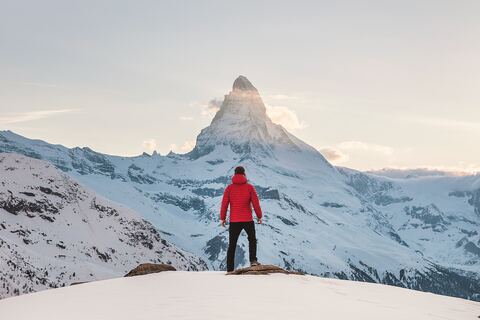
During summer, Slovakia's valleys, hills, and lakes come alive with vibrant colors. The mountain ranges become a playground for hikers and climbers, offering stunning panoramic views. Cyclists can explore many trails. Rafting and kayaking opportunities abound on the country's sparkling rivers. Castle exploring is one of the popular options as well.


In winter, Slovakia transforms into a winter wonderland that suits skiers, snowboarders, and winter sports enthusiasts. The High Tatras and Low Tatras mountains are offering excellent skiing conditions.